
















$1198 SAVE $400 = 25.0% Panasonic 42.5mm f/1.2 Leica DG Nocticron ASPH. POWER O.I.S. IN STOCK in Lenses: Mirrorless
|


|

|

|

|

|
MTF for Hartblei 80mm f/2.8

This is a technical page. Skip it unless you understand MTF. Or see Making Sharp Images.
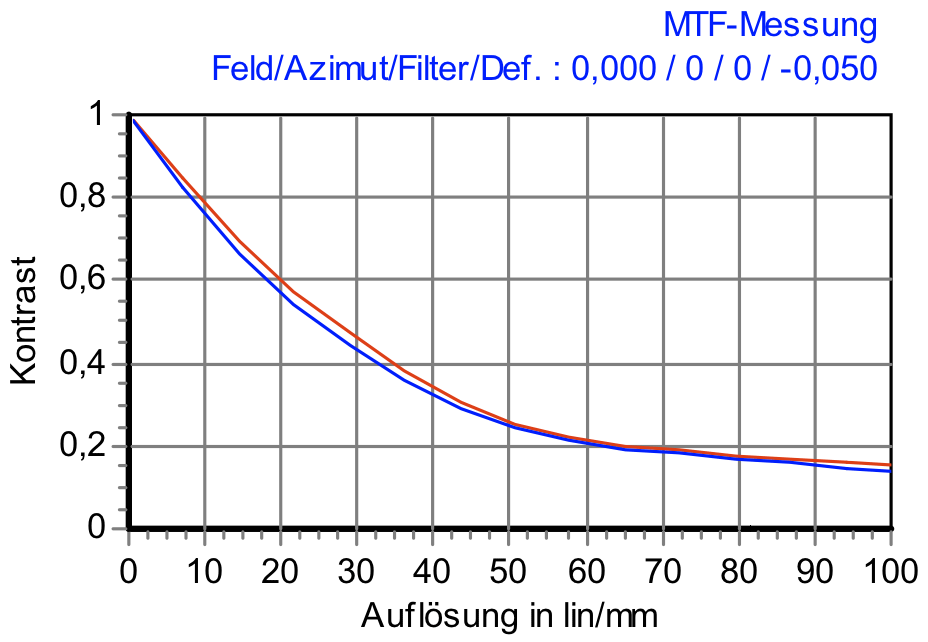
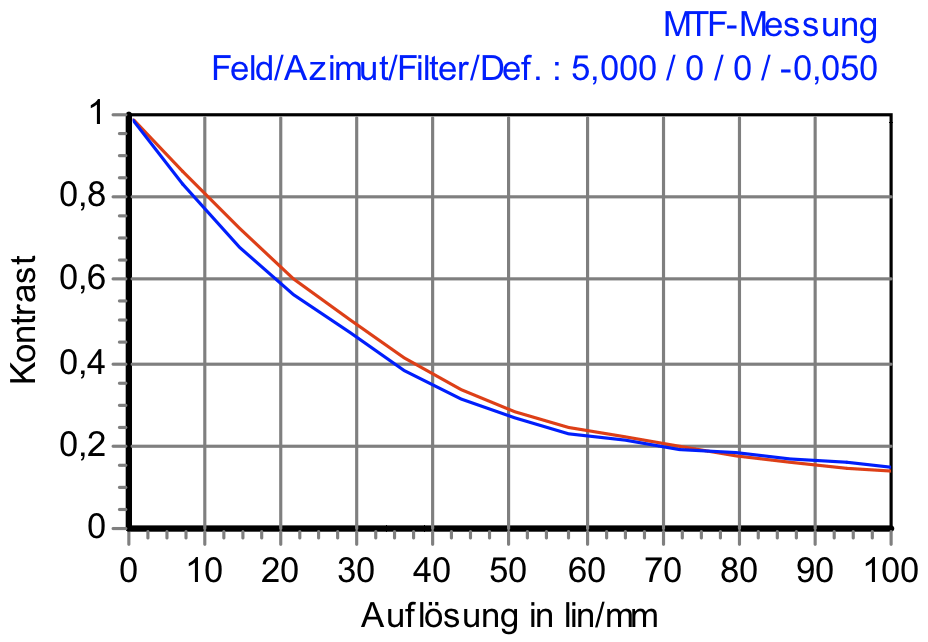
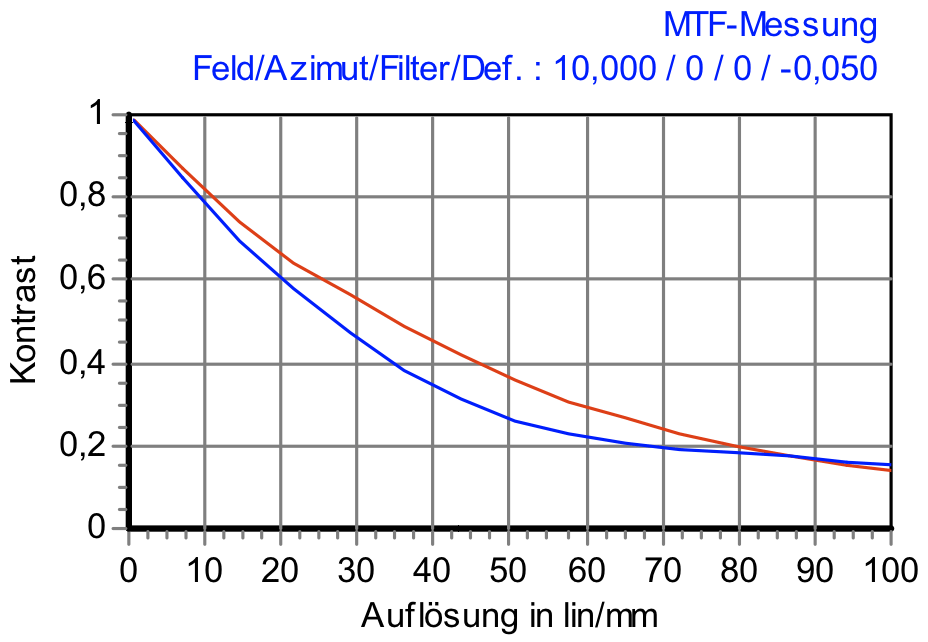
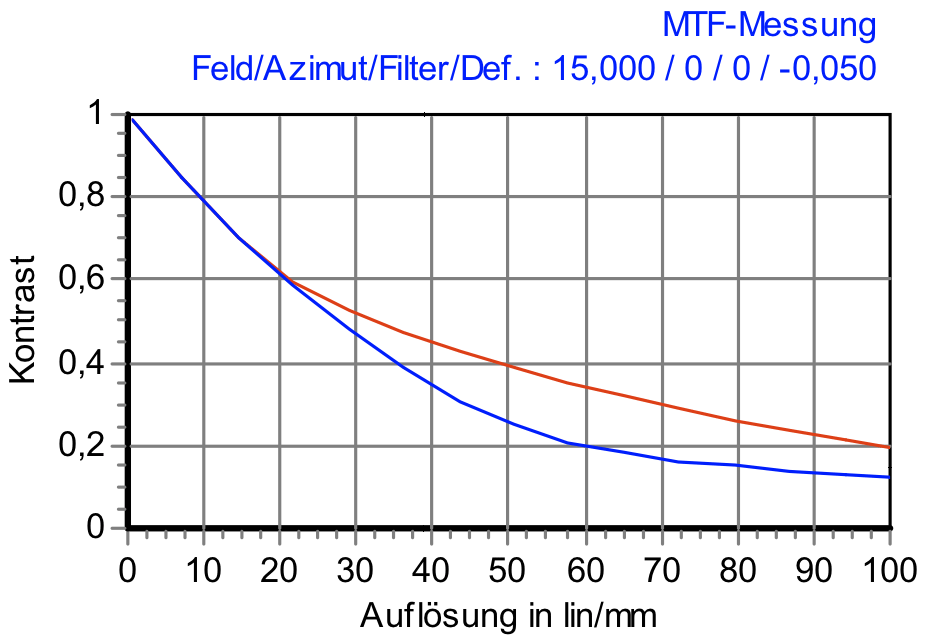
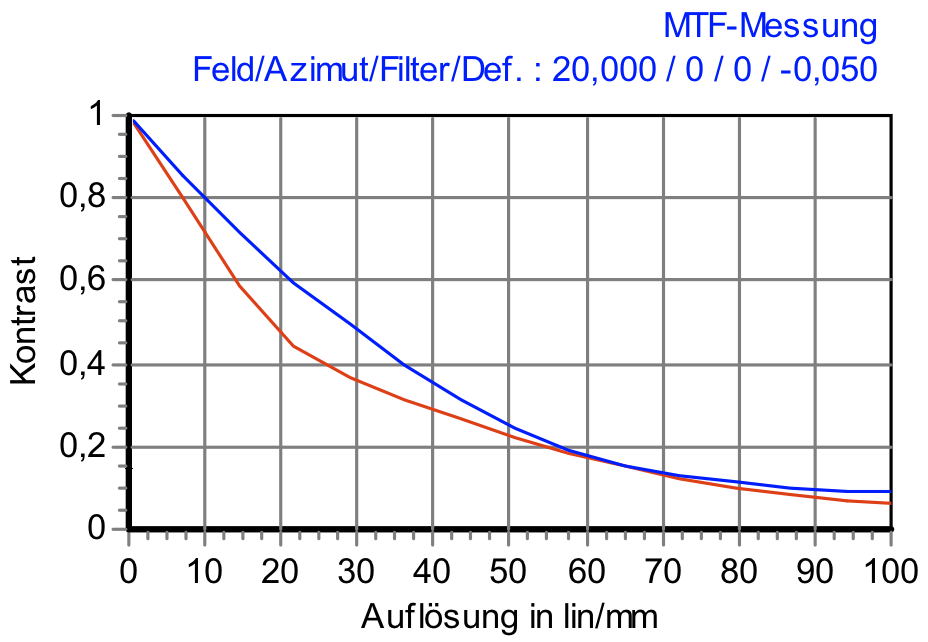
Most MTF charts plot contrast (MTF) at a distance from optical center, graphing 10/20/40 line pairs per millimeter, not so here.
These charts graph MTF from zero to 200 line pairs/mm, and there is one graph for each distance from the optical center. A distance of 21.3mm is the corner of a 35mm frame; a distance of 30.4mm is the corner of a 56mm X 24mm frame, which is what you get fully shifted 10mm in the long direction.
Note that Canon and Nikon MTF charts only go to 30 line pairs/mm. Zeiss supplies 10/20/40 line pairs/mm for most of its optics. So the charts on this page should be read out to the “40” mark only, to be (somewhat) comparable to the standard Zeiss MTF graphs.
The graphs were supplied by Hartblei, and used with permission.

Hartblei 80mm f/2.8
The Zeiss datasheet shows Zeiss’s official technical data.
At center, resolving power is very high, reaching out to 100 line pairs per millimeter. Some astigmatism develops away from the center, but resolving power remains solid out to the edges of the 35mm frame.
Conclusions
MTF performance examined near the edges and corners of the 35mm frame is a little disappointing. Possible explanations include field curvature, and field shots show very nice performance on “3D” images, so one can safely ignore these issues and instead be content with the superlative bokeh and color rendition.