

















|

|

|

|

|

|
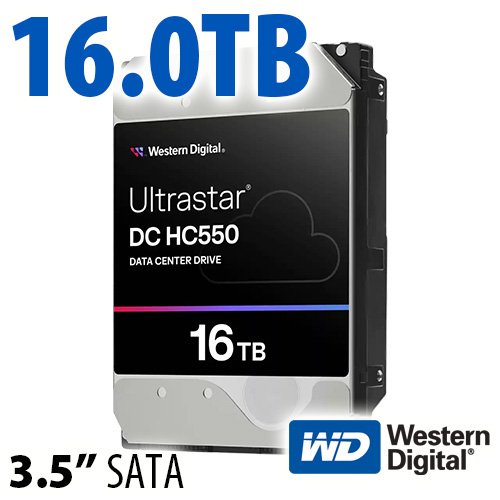
$220 SAVE $130 = 37.0% Western Digital 16.0TB Western Digital Ultrastar DC HC550 3.5-in… in Storage: Hard Drives
|
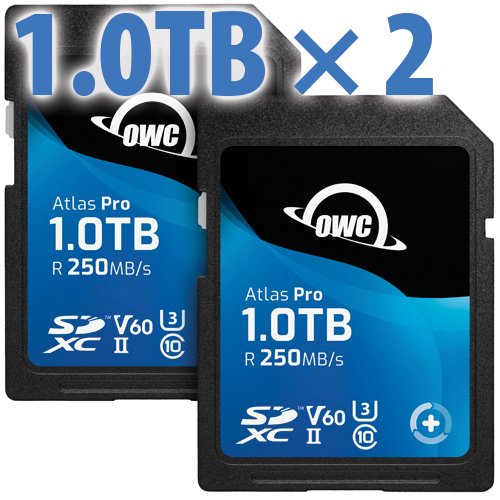
$500 SAVE $75 = 13.0% OWC 1.0TB OWC Atlas Pro SDXC V60 UHS-II Memory Card (2-Pack) in All Other Categories
|
|

|
|

|
Tips for Buying Filters

Plan ahead, and if you use filters for specific purposes, a step-up ring can allow use of a larger filter for several different sizes, though this often means the lens shade cannot be used.
Where to buy
A great source for filters at competitive prices is B&H Photo.
You can buy elsewhere, but my experience has been mostly wasted time when looking for specific filters, which might be out of stock, not the brand I want, etc. B&H has an enormous selection and very competitive prices.
Which brand?
Pick a brand, and stick with it. B+W filters are very consistent. Mixing and matching brands, especially for UV filters, means that your images could vary slightly in color rendition; this is very annoying with a well matched line of lenses, like the Zeiss primes.
Update: as of 2020, I prefer Breakthrough Photography filters, even over Zeiss. They are especially good for neutral density filters.
I stick to the Schneider Optics B+W line. See the filter handbook page and/or the Schneider’s complete handbook PDF. Heliopan is also a high quality brand, but I have less experience with them, and their product line is more limited, so I stick to B+W.
B+W filters are made of the highest quality optical glass, and they have brass filter rings, which do not bind (aluminum rings can lock together so tightly you’ll wonder if they’ll ever come off).
I tend to avoid Hoya, because Hoya UV filters are not neutral (killing off the deep blues). I want neutral color, and blue is beautiful— I don’t want it attenuated.

|

|

|
Which coating?
Stick with the B+W “MRC” (multi resistant coating) filters. They really do resist dust and scratches better. However, certain specialty filters do not have the MRC coating.
Thin ring (“slim”) vs regular thickness ring
Unless you have a lens that absolutely requires a slim filter ring (to avoid vignetting), avoid slim filters. Slim filters not only cost more, but the original lens cap will not fit, and some of them cannot be stacked since they lack filter threads.
Stacking filters
Stacking filters should be avoided without good reason (stacking simply means using more two or more filters in combination).
But there are reasons— for example, you might want to use both a polarizer and a neutral density filter. Be sure to use high quality multi-coated filters whenever possible, and keep them spotless: this will minimize ghosting and veiling flare, which is possible even with a single filter.
Storing filters
Stacking can be very handy for storage or transporting multiple filters, so I want them stackable. End caps are available to make a self-contained cylinder of stacked filters.